Air, food and water are essential to all life. All are threatened by growing human numbers.
Air
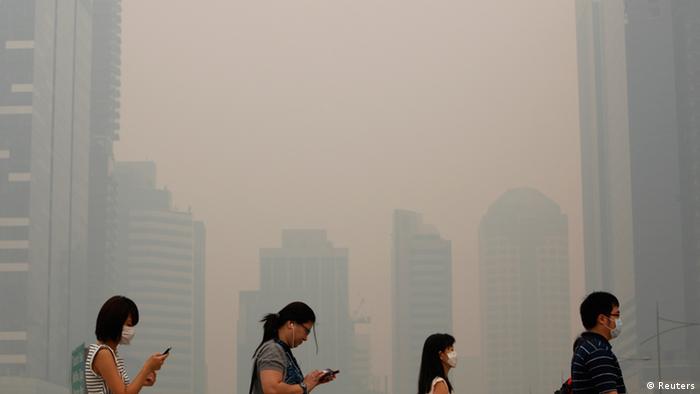
Air pollution is an
important example of the waste arising from unsustainable human consumption. It
arises from multiple sources, including fossil fuel use, particularly coal and
transport, livestock, and includes cooking fires in developing countries. Its
consequences include premature deaths, particularly in cities, and the impact
of climate change, including ocean acidification.

Air is essential to most life but often taken for granted.
Human activities do affect the quality of the air we breathe and
hence our health. This is recognized and action has been taken to improve air
quality by removing some known contaminants. Lead, for example, has been
removed from petrol.
However, problems remain. Smoke from cooking fires affects the
health of millions in developing countries, especially where habitations have
insufficient ventilation. Fast growing cities, particularly in China, are
affected by smog from coal-fired power stations. It was coal fires that were
the cause of the notorious smog in London in the 1950s.
Many cities in the developed world have controlled the use of
coal. However, their citizens are affected by motor vehicle emissions. The
problem is worsened by continually increasing traffic jams.
More generally, carbon, methane and nitrous oxide emissions of
all kinds — those from aircraft, manufacturing, farm animals, etc. — contribute
to climate change and ocean acidification.
Food requirements
Ever more people need ever more food. We currently produce
enough food to feed the seven billion people on the planet. Hitherto the main
reasons that millions have remained malnourished have been where food is grown,
how it is distributed, and the fact that many people are too poor to pay for
it. This has led to a false sense of complacency. It is dangerous to assume
that the world will continue indefinitely to be able to feed even its existing
population, let alone the mid-range 30 per cent increase in numbers projected by
the United
Nations between 2010 and the middle of the century.

In 1960, there was enough land to sustain the world population
on a modest European diet, around 0.5 ha of arable cropland per capita. This
allowance has fallen by over half to 0.2 ha per capita because the population
has doubled and soil degradation and erosion have increased. Humanity is
already using most of the productive land, so the expected 1 – 4 billion
additional people will have to be fed from more fragile and marginal soils. The
more people there are, the harder it will be to feed them.
Food supplies
Our agriculture depends on high-yield crop variants supported by
large inputs of energy, water and fertiliser, the latter in particular
requiring high levels of fossil fuel input.
Basically, we live by turning oil and water into food. However,
the high input levels required by our intensive monocultural approach are
vulnerable in a world where fossil fuel resources are finite and water supplies
are threatened by climate change, overextraction and increasing demand.

Food supplies are also vulnerable to plant disease, pests,
falling soil fertility, desertification, urbanisation, changing weather
patterns, rising sea levels and rising levels of salination as soils are
overirrigated.
Fish stocks, another major contributor to global nutrition, are
currently being overexploited worldwide by intensive industrial fishing practices.
Developed countries consume significantly more input-intensive
meat and dairy products than developing countries but as developing countries
industrialise, their consumption of these products will increase, putting
further pressure on resources.
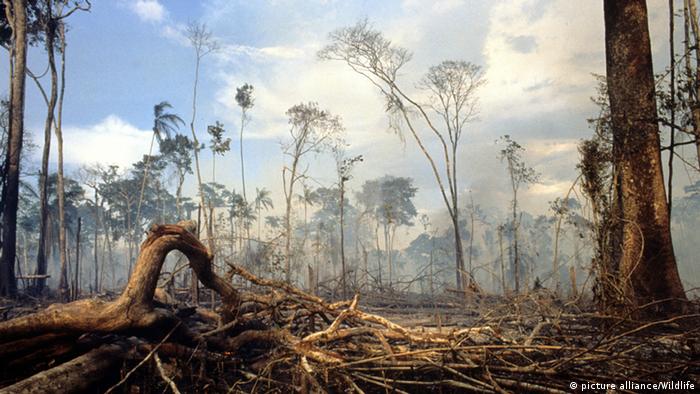
Our consumption is driving continued encroachment into the
natural environment as more and more land is engulfed by agriculture to feed
our growing numbers.
Read more about food.
Water
Ever more people need ever more water. Growing populations,
changing consumption patterns and increasing industrialisation mean people are
using ever more water.
However our supplies of fresh water, like other resources, are finite
and under threat. Ground water is being depleted, and pollution is affecting
many remaining fresh water supplies.
Climate change is already changing rainwater patterns with
catastrophic consequences, and shrinking the glaciers which many millions of people
rely on to provide water throughout the year.

Many communities, especially in the poorest regions, are already
suffering severely from shortage of water. In some regions of Africa and Asia
people have to walk more than six kilometres to collect safe drinking water.
Large-scale water extraction and distribution generally depend
on energy resources which are themselves limited. Even the power generated by
hydroelectric schemes is endangered by reduction and variability in rainfall.
Read more about water.